
What Makes a “Hard-to-Find” Chemical? And How to Actually Find It
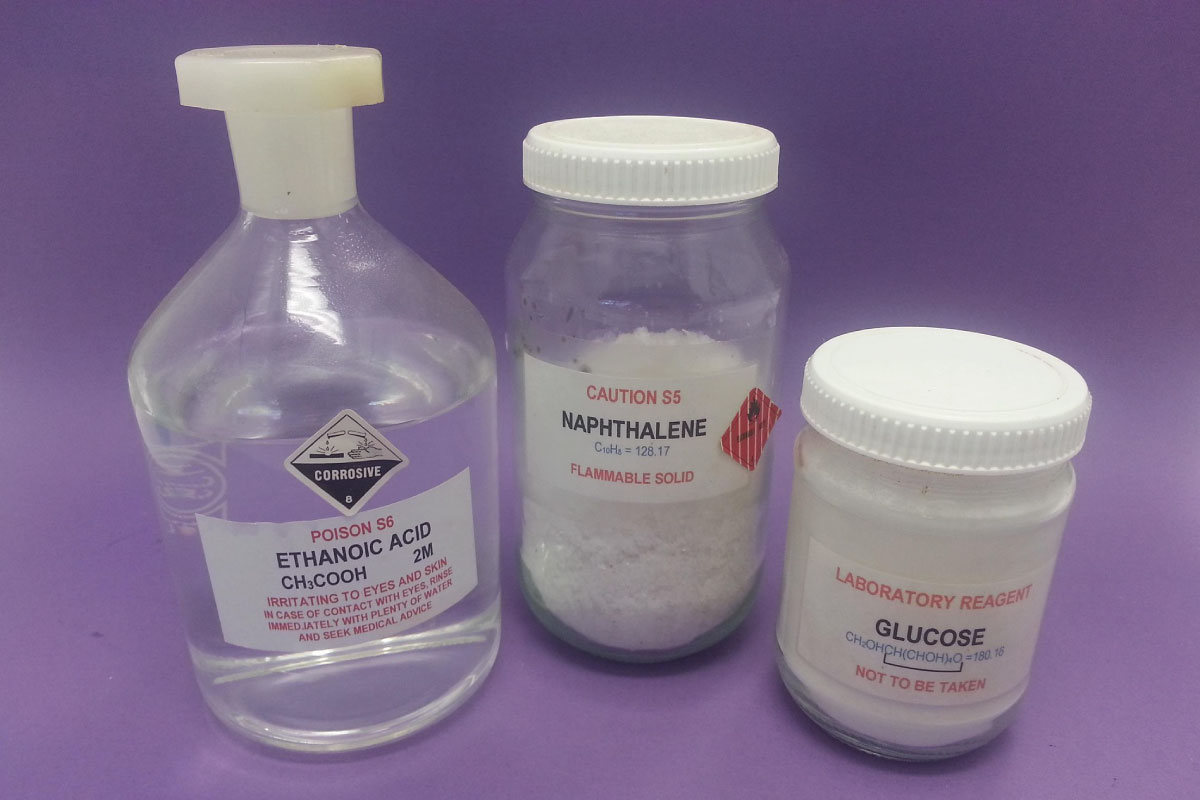
Some chemicals seem to hide in the shadows – elusive molecules that standard catalogs don’t carry and procurement teams struggle to source. These are the “hard-to-find” chemicals. But what exactly makes a chemical hard to find, and how can you go about locating (or creating) them? This article breaks down the factors that drive scarcity in chemical sourcing and offers strategies to track down those obscure reagents and specialty compounds.
Why Are Some Chemicals Hard to Find?
Several factors can contribute:
- Niche or Low Demand: Many specialty chemicals are used only by a handful of industries or researchers. If a compound has very limited applications (or is very new), few manufacturers may bother producing it. For example, a novel drug intermediate or a rare catalyst may not be in any supplier’s standard inventory because the market is too small or specialized. These become “hard-to-find” by virtue of rarity.
- Manufacturing Complexity: Some chemicals are difficult or hazardous to produce. If synthesis requires extreme conditions, expensive starting materials, or yields many toxic byproducts, only specialized firms might make it, often in small batches. This can be true for certain fluorinated compounds, highly energetic molecules, or ultra-high purity materials for electronics. The limited pool of producers means limited availability.
- Regulatory Restrictions: Regulations can make chemicals scarce. If a substance is controlled (precursor to explosives or narcotics, for instance) or heavily regulated for safety/environmental reasons, fewer suppliers will offer it. Those that do may only supply domestically or with strict quotas. For example, certain pharmaceutical precursors or dual-use chemicals are hard to source globally due to export controls and licensing.
- Obsolescence: Some chemicals were produced by a company that discontinued the product line. Perhaps it was tied to an old technology or process that’s been replaced. When production stops, the chemical can become near-impossible to find except as leftover stock. This happens in advanced materials – e.g., a unique polymer additive made by one company in the 1990s that no one else makes now.
- Proprietary or Patent-Protected Compounds: A chemical might be “hard to find” simply because it’s proprietary – either patented or kept as a trade secret by a company. They use it internally and don’t sell it. Outsiders needing that compound are out of luck unless they synthesize it themselves or find a custom manufacturer willing to do it (often under license).
- Unusual Specs or Grades: The chemical itself might be common, but your required specification is not. For instance, you might need an extremely high-purity version, an unusual isotopic label, or a specific particle size. Standard suppliers might not offer that exact spec, making your request effectively hard-to-find. A “hard-to-find chemical” can be normal chemical A, but at 99.999% purity level which only a few labs in the world can produce.
In summary, scarcity often comes from limited demand, limited production capability, or intentional restrictions. As one sourcing resource put it, specialty providers often deal in “rare intermediates, advanced reagents, and novel compounds” that general suppliers don’t stock. Recognizing why a chemical is scarce helps inform the strategy to find it.
Strategies to Find (or Make) Hard-to-Find Chemicals
Fortunately, “hard-to-find” doesn’t mean impossible. Here are avenues to explore:
1. Leverage Specialized Chemical Sourcing Services: There are companies and distributors that specialize in sourcing hard-to-find chemicals. They have extensive networks and databases to locate obscure compounds worldwide. For example, some firms focus on connecting Western buyers with niche manufacturers in India or China who might quietly produce the chemical you need. Using a knowledgeable sourcing partner can save time – they can tap into connections, check custom synthesis pipelines, and identify who has capacity to supply. As one industry blog noted, working with expert sourcing professionals allows companies to “access hard-to-find chemicals, evaluate supplier credentials, and ensure regulatory compliance” as part of the service. In practice: provide them the chemical name, CAS number, and purity needs – and they do the legwork.
2. Search Global Databases and Marketplaces: Traditional searches might fail, but chemical marketplaces like MolPort, SciFinder’s Commercial Sources, or ChemSpider’s catalogs aggregate offers from many suppliers (including small or regional ones). Plugging your compound into these can sometimes surface a vendor listing you didn’t know about. Also consider posting on marketplace platforms or “wanted” boards where suppliers can respond if they have or can make it. Niche discussion forums (for chemists) sometimes can yield leads – someone might have encountered the same need and can point to a supplier.
3. Contact Manufacturers Directly: If you suspect a particular manufacturer might make the compound (or a similar one), reach out even if they don’t list it publicly. Sometimes catalogs lag or they do custom products on request. Smaller chemical companies are often willing to sell a small batch if they have the capability. Provide as much detail as possible (structural info, likely production routes) – it shows you’ve done homework. If the chemical is a pharmaceutical intermediate or API, check databases of drug substance manufacturers (like pharmasources or regulatory filings) which might list producers.
4. Consider Custom Synthesis (On-Demand Manufacturing): If no existing stock exists, you can have the chemical made to order by a custom synthesis lab or CDMO. This is often the surest way for truly obscure compounds. Many labs (from university spinoffs to large contract manufacturers) will synthesize a molecule for a fee. You provide the structure and purity/quantity needed, they provide a quote. For instance, a pharma company might commission a CDMO to produce a few kilograms of a metabolite or impurity standard that isn’t sold anywhere. Custom synthesis has become more accessible, and as discussed in Article 3, the market for custom chemicals is growing. The downside is cost and lead time – you’ll pay a premium for the effort and might wait weeks or months. But if the project justifies it, custom manufacturing breaks the “unfindable” barrier by creating the supply.
5. Explore Alternatives or Equivalents: Sometimes broadening your search can help. Is there a chemical with a different name, or a mixture, that would serve the purpose? Many chemicals have multiple names or forms. Searching by CAS number is crucial to avoid name confusion. Also, consider if an analog or slightly different compound could substitute in your application – that might be easier to find. If a specific brand product is discontinued, look for generic alternatives or ask industry contacts if there’s a drop-in replacement. Be cautious with this approach (validation required), but in some cases the “hard-to-find” item might not be necessary if an equivalent is available.
6. Academic or Industry Networks: Don’t underestimate the value of networks. If you’re connected with chemistry professionals (perhaps through professional societies or conferences), ask around. A researcher or supplier rep might know “Oh, Compound X? There’s actually a lab in Japan that makes that.” Even platforms like LinkedIn have groups where such inquiries can surface answers. People who have faced similar challenges often love to share how they solved it. As evidenced, occasionally even LinkedIn posts (“Need help sourcing a hard-to-find chemical? We’ve got you.”) show up from industry experts, which means folks are actively offering help on these channels.
7. Check Government or Agency Resources: In some cases, national chemical inventories or government labs might have stock or be able to direct you. For extremely controlled substances, you might need to go via official channels anyway (for example, obtaining a permit and purchasing from a government-authorized dealer).
A Real-World Example
Consider a semiconductor company that needed a high-purity, obscure organosilicon compound for a new process. No major supplier sold it. By analyzing patents, they identified two companies that had made reference to it. One was a small firm in Eastern Europe. Through a sourcing service, they contacted this firm and found they could produce small batches on demand. In parallel, they asked a custom synthesis CRO for a quote. The small firm came through with 95% pure material within a month – success through networking and digging beyond the obvious.
In another case, a pharma researcher needed a metabolite of a drug to use as an analytical standard – something not sold anywhere. They collaborated with an academic lab that had published the metabolic pathway, and that lab synthesized a few grams for them in exchange for co-authorship on a paper. Creative collaborations can be a route to finding or making rare chemicals when commercial routes fail.
Ensuring Compliance and Quality When Sourcing Unusual Chemicals
One word of caution: when you find a hard-to-find chemical, due diligence is vital. Verify the legitimacy of the supplier (especially if overseas and unknown). Ensure proper import/export paperwork – if it’s a 19 controlled or regulated substance, secure the needed licenses. Test the material if possible upon receipt to confirm it’s indeed the correct compound and purity. Reputable sourcing partners will help with these aspects (e.g., auditing a new supplier or arranging third-party analysis). The goal is not just to obtain the chemical, but to obtain it safely and legally, meeting your specs.
In conclusion, a “hard-to-find” chemical might feel like a dead end, but with the right approach it’s often just a complex puzzle to solve. By understanding why it’s scarce and leveraging every resource – specialized suppliers, networks, custom manufacturing – you can usually track down or produce what you need. In doing so, you turn the “hard-to-find” into “found.”
Key Takeaways
- Scarcity Drivers: Chemicals become hard-to-find due to niche demand, few producers, regulatory controls, or unique specs. Recognizing whether the issue is low supply or restrictions helps determine the sourcing approach. Rare intermediates or patented compounds often require special sourcing tactics (or custom synthesis).
- Use Expert Networks: Don’t search alone. Specialized chemical sourcing firms and databases can uncover obscure suppliers worldwide. Tapping industry contacts or forums can yield leads on where a hidden supply might exist. Leverage the experience of others who have solved similar sourcing challenges.
- Custom Synthesis is an Option: If a compound truly isn’t available, consider having it made. Many CROs/CDMOs offer on-demand synthesis for a price. This can turn an “unobtainable” chemical into a delivered product – albeit with higher cost and lead time. Weigh this against project needs and consider pooling demand (or partnering with another interested party) to justify it.
- Thorough Verification: When sourcing hard-to-find items, vet the source and verify the product. Ensure regulatory compliance (permits for controlled substances, proper shipping classification) and test the material’s identity/purity. Hard-to-find should not mean “high risk” – diligence ensures your rare chemical doesn’t create safety or legal troubles.
- Stay Persistent and Creative: Finding an elusive chemical can take time and creativity – exploring alternate names, equivalents, reaching out directly to manufacturers or academics. The process can be iterative, but persistence often pays off. The key is casting a wide net and not relying solely on standard catalog searches for non-standard needs.
Meta Description: What makes certain chemicals so elusive? From niche demand and regulatory restrictions to discontinued products, learn why some chemicals are hard to find and discover practical strategies – including expert sourcing networks and custom synthesis – to track down those rare compounds.
Tags: hard-to-find chemicals, rare chemicals, specialty sourcing, custom synthesis, chemical scarcity, niche compounds, sourcing strategies, chemical procurement